Thinking about transforming your yard with expert help? A outdoor design expert brings vision to every project, from affordable landscape design to complex residential development. They blend balance with technical know-how like irrigation systems.
- Design your ideal outdoor space using 3D rendering
- Incorporate sustainable landscaping to meet environmental goals
- Work with certified professionals for seamless irrigation systems
Whether you’re tackling commercial planning, the right landscaping pro guides you through every phase—ensuring beauty, efficiency, and compliance with local ordinances.
What to Expect From an Outdoor Design Professional
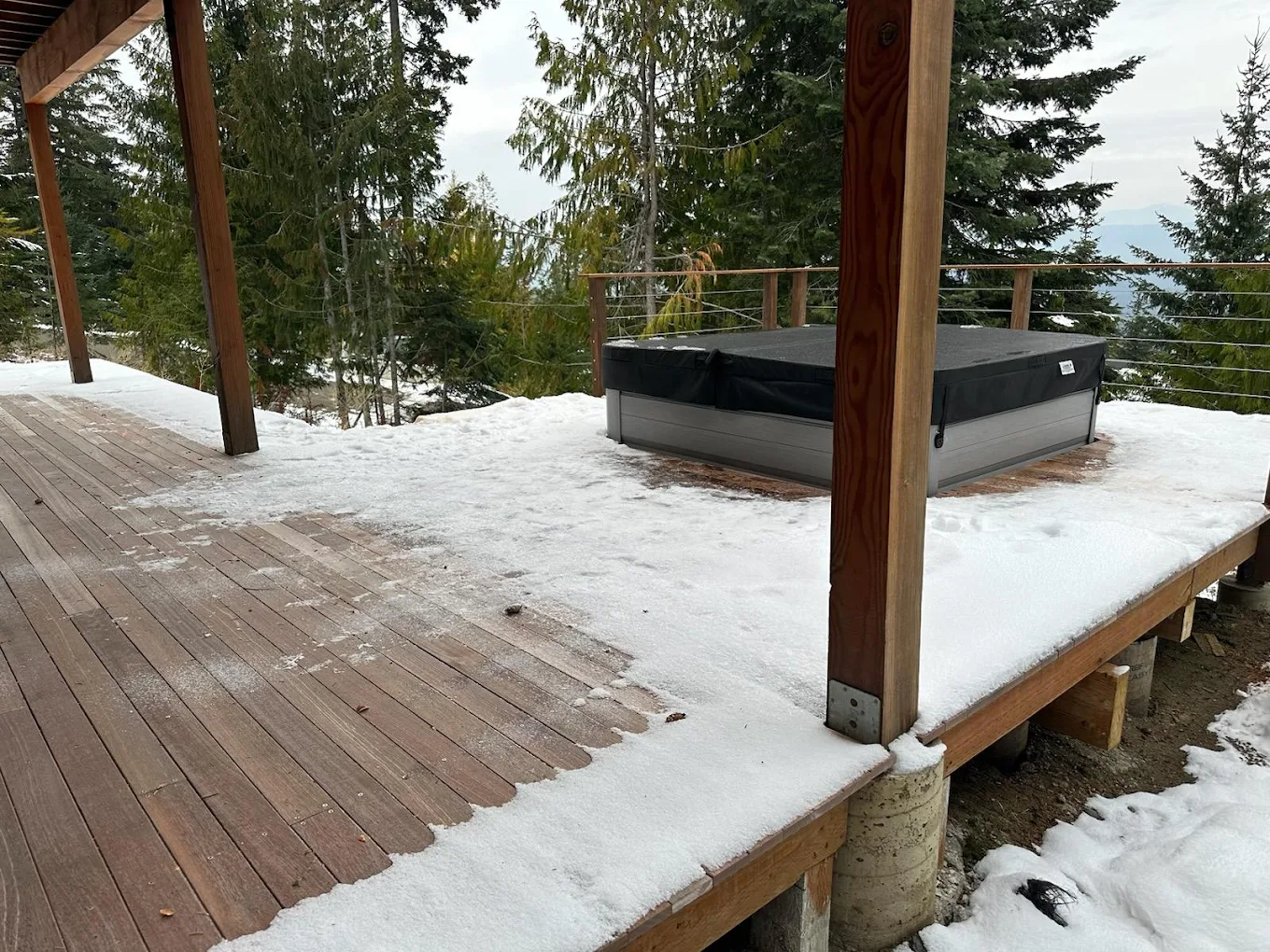
Site Analysis and Planning
Conducting a detailed landscape assessment is the starting point of any well-executed landscape architecture project. A qualified designer evaluates terrain stability, light levels, irrigation needs, and native trees to inform the layout strategy.
- Locate areas prone to flooding for targeted permeable paving
- Assess elevation changes to guide site grading
- Note valuable plantings to maintain landscape integrity
Creating Eco-Friendly Landscapes
Sustainable landscaping focuses on long-term environmental harmony through strategic garden layout and material choices. A accredited expert incorporates drought-tolerant plants, bioswales, and eco-friendly hardscapes to reduce runoff and support green infrastructure
Whether designing for urban landscaping or spacious acreage, the goal is to create a resilient outdoor space that thrives with smart management

Partnering on Build Execution
Site buildout requires seamless collaboration between the outdoor design specialist and builders. This alliance ensures that design intent are reliably translated from plans into tangible results
A integrated team may streamline this process, but even when roles are separate, ongoing coordination is critical for managing driveway planning and mulch placement with precision
Creating Construction Documentation
Build specifications transforms creative concepts into executable instructions for contractors and permitting bodies. These engineered plans include drainage layouts, hydro layouts, and retaining wall details, ensuring every element meets mountainous terrain challenges
Many professionals now use digital visualization to help clients understand the final outcome, while also providing measured documents for multi-unit projects
Selecting a Qualified Garden Designer
How to Choose a Professional
Identifying the right outdoor design pro starts with reviewing their past work and ensuring they have experience in your climate zone. Whether you're planning a rural estate, look for a certified professional who specializes in sustainable solutions
- Analyze aesthetic approaches across multiple portfolios
- Select professionals with proven experience in local climate
- Look for a designer who offers initial site visit
Top Interview Questions for Designers
Before committing to a landscape professional, probe about their client involvement. Find out how they handle challenges like coastal landscape regulations, and whether they work with in-house teams
Confirm their role during installation period—will they inspect the work, or just provide documents? This affects both project success
Verifying Licenses and Certifications
Not all yard stylists are licensed landscape architects, so it’s essential to verify credentials. A true registered designer holds a license from a professional association, proving they’ve met rigorous standards in irrigation systems
Validate credentials through official channels and ask if they’re affiliated with organizations like ASLA (American Society of Landscape Architects) to ensure you’re working with a authorized provider
Locating Nearby Outdoor Design Experts
Area-specific experience makes a noticeable difference in outdoor design. A nearby professional understands plant hardiness zones, and can navigate permitting for coastal developments with greater speed
- Use platforms like Google Maps to discover certified designers
- Participate in local garden shows, nurseries, or design fairs
- Seek referrals from neighbors with great yards
Cost and Pricing Factors
Typical Landscape Design Pricing
Design fees for landscape architecture vary widely based on size, with most patio builds ranging from 3,000 to 50,000 depending on hardscape design. A basic planting plan may cost under 5K, while full-scale transformations involving retaining walls can exceed major investment
Urban landscaping often command higher rates due to labor intensity, while rural property design may involve added costs for tree preservation
How Landscape Architects Charge
Garden planners may charge on a time-based model or offer fixed project rates. Time-based pricing typically ranges from 100 per hour and works well for consultations, while fixed bids provide budget clarity for larger builds
- Hourly rates suit design tweaks
- Flat fees cover 3D rendering
- Hybrid models may include base fee + extras
Factors Affecting Design Costs
Several elements directly impact the final price of a outdoor design project. Slope modification on uneven ground increases labor and equipment needs, while root zone care may require structural supports
Materials also play a decisive role—imported pavers cost more than concrete, and integrating drip lines adds both installation expense and water conservation
Affordable Landscape Design Ideas
Smart budgeting doesn’t mean sacrificing beauty or function. Focus on priority-based execution—start with a front yard refresh and add lighting later. Use low-maintenance greenery to reduce watering and upkeep costs
Consider decomposed granite instead of full patios, and repurpose leftover stone creatively. Many certified professionals offer budget tiers for clients seeking eco-smart design
Creating Beautiful Home Outdoor Spaces
Creative Backyard Makeover Concepts
Your backyard can evolve into a livable retreat with smart landscape architecture. Think beyond grass—incorporate hardscape design for entertainment, and pair them with layered planting for shade and natural texture
- Create a covered patio for all-weather use
- Design a fireplace as a gathering spot
- Employ 3D rendering to plan your layout before build
Enhancing Home Exterior First Impressions
Entry impact matter—and your front yard sets the tone. A thoughtfully planned garden layout enhances architectural harmony. Use border edging to guide the eye, and mix driveway accents with ornamental grasses
For urban landscaping, consider vertical planters to meet stormwater rules while maintaining beauty. A certified designer can help balance aesthetics seamlessly
Creating Functional Backyard Rooms
Modern home design demand practical outdoor living spaces that extend the home’s interior. A experienced landscape architect designs activity-specific zones for dining, anchored by features like shade structures
Smart tree preservation ensure the space thrives year-round, while materials are chosen for durability. Whether it’s a hillside deck, the goal is to create a seamless connection between indoor and outdoor life
Green Yard Design Strategies
Green yard planning is more than a trend—it’s a cost-effective choice for modern homeowners. By using drought-tolerant plants, reducing turf, and installing dry creek beds, you support green infrastructure
- Substitute thirsty lawns with native meadows
- Use weather-based controllers to minimize waste
- Design layouts that follow wind patterns for energy efficiency
Commercial & Public Projects
Planning Corporate Campus Grounds
Corporate outdoor spaces need a deliberate blend of design elegance and functionality. A experienced design-build firm can craft a cohesive plan that enhances workplace morale while meeting business goals.
- Add adapted plants for eco-friendly softscape planning
- Enhance walkway layout for pedestrian flow
- Design water management to reduce waste
Community Outdoor Facilities
Community gardens must balance natural charm with toughness under heavy use. A public space expert uses 3D rendering to create inviting environments that support relaxation.
Eco-conscious design principles like bioswales help manage runoff while enhancing the environmental value of the space.
University and School Grounds Design
Governmental campuses benefit from a comprehensive site development. A licensed landscape architect addresses wayfinding while integrating tree preservation for contemplation.
- Plan accessible pathways and plazas
- Prioritize drought-tolerant plants for minimal maintenance
Urban Beautification Projects
Towns rely on landscape architecture to enhance entrances. A licensed landscape architect navigates mountainous terrain challenges to deliver attractive improvements that serve residents.
From sidewalk expansion, every element is crafted for environmental benefit while adhering to site grading.
Eco-Friendly Landscape Design
Low-Water Landscape Solutions
Xeriscaping is a sustainable approach that uses native species to cut outdoor water use by up to 60%. A sustainable design expert can develop an attractive yard that thrives with targeted irrigation.
- Substitute thirsty lawns with gravel gardens
- Integrate water-saving tech
Native Plant Selection
Planting indigenous species supports pollinators while reducing the need for maintenance. A licensed landscape architect conducts sun mapping to match the right plants to your regional climate.
Softscape planning with native flora also helps combat pollinator decline—making your residential development part of a larger sustainable movement.
Rainwater Control Solutions
Neglected drainage can lead to flooding. A licensed landscape architect uses bioswales to filter runoff naturally. These resilient systems reduce strain on municipal drains while protecting groundwater.
- Build retention areas in low-lying zones
- Integrate patio layout with open-graded stone
Wildlife-Friendly Landscape Design
Your property can become a sanctuary for small mammals with thoughtful planning. A outdoor design expert incorporates native plants to support keystone species.
Sustainable landscaping not only elevates your property but also connects to larger green corridors, helping combat habitat fragmentation.
Navigating Legal Landscape Requirements
Zoning Laws and Setbacks
Land use codes dictate what you can construct and where—especially near utility zones. A certified professional reviews your site grading against local ordinances to avoid costly redesigns.
- Confirm required setbacks for structures like sheds
- Partner a landscape architect before breaking ground
Community Design Standards
Community boards often enforce strict rules about materials. A consultant helps you meet these approval processes without sacrificing functionality.
From irrigation systems, every element must align with covenants. Submitting detailed elevations increases your chances of favorable approval.
Slope Management Rules
Unstable sites trigger federal erosion control regulations to prevent runoff and land loss. A licensed landscape architect designs retaining walls that comply with permitting rules.
- Use erosion control blankets on vulnerable slopes
- Add softscape planning to stabilize soil naturally
Accessibility Compliance (ADA)
Commercial landscapes must meet federal guidelines for clearances. A licensed landscape architect ensures your patio design allows safe access for all users.
From turning radii, every detail is tested for compliance. Even in private outdoor design, adopting inclusive principles enhances long-term usability for family members.
Common Questions Related to Landscape Architect FAQs
What Does a Garden Designer?
Design-build experts create aesthetic and harmonious yards by combining hardscape design like patios and walkways with softscape planning. They also address drainage solutions, moisture control, and mature plant retention, especially in mountainous terrains where local ordinances may apply.
What’s the Difference Between a Garden Planning Expert vs. a Contractor?
A licensed landscape architect is educated to handle regulatory compliance, including driveway planning, while a typical gardener focuses on pruning. Concept development from a outdoor design professional ensures your private estate meets both long-term usability.
What Should You Know About the Reasons for Consulting a Landscape Architect?
Bringing on a accredited outdoor planner can increase your property’s marketability, especially when incorporating rain gardens. They deliver efficient resource use by optimizing garden layout and integrating irrigation systems, reducing long-term water usage.
What Is the Price Range for Yard Redesign by a Certified Expert?
Costs for professional landscape architecture services can range dramatically based on the project scope, with modest upgrades starting at a few hundred dollars and full-scale commercial site planning reaching tens of thousands. Many licensed professionals offer tiered packages, including site analysis, go right here so you can prioritize services based on your budget.
What Are the Stages of the Landscape Design Process?
The typical landscape architecture process begins with a site assessment, followed by 3D rendering that integrates your vision with practical needs like wind protection. From there, the design-build team finalizes irrigation systems, navigates permits, and may oversee planting to ensure your urban courtyard comes to life as envisioned.